

Why the Mediterranean and DASH Diets Feed a Healthier Brain
When we think about eating well, most of us focus on weight, heart health, or blood pressure. But what we put on our plates also has a powerful effect on our brains. The food choices we make each day shape how clearly we think, how well we remember, and even how we feel.
Two eating patterns have stood out for their incredible benefits to both body and mind: the Mediterranean and DASH (Dietary Approaches to Stop Hypertension) diets. Researchers studying brain health have consistently found that these eating styles may help preserve memory, slow age-related decline, and protect against brain diseases.
The Brain–Body Connection
Your brain is an energy-hungry organ. It uses more than 20 percent of the calories you consume each day. Just like the rest of your body, it performs best when fueled by nutrient-rich foods that promote good circulation, reduce inflammation, and protect cells from damage.
Poor nutrition can create oxidative stress, which damages brain cells and disrupts the communication between them. On the other hand, diets filled with colorful fruits, vegetables, healthy fats, and lean proteins provide antioxidants and essential fatty acids that support the brain’s structure and function.
The Mediterranean and DASH diets share a common philosophy: whole foods first, minimal processing, and a focus on balance rather than restriction.
What the Mediterranean Diet Looks Like
Inspired by the traditional eating habits of countries along the Mediterranean Sea, this diet is rich in:
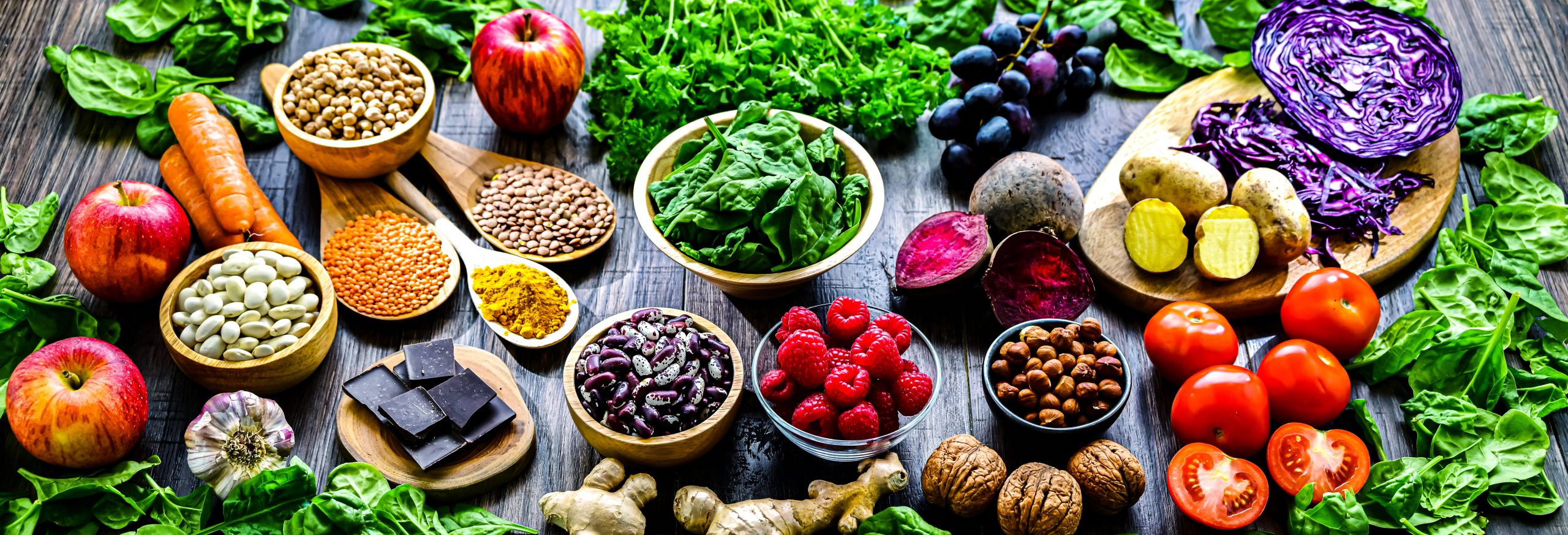
- Fresh fruits and vegetables – especially leafy greens, tomatoes, berries, and citrus.
- Whole grains such as oats, quinoa, brown rice, and whole-grain bread.
- Healthy fats from olive oil, nuts, seeds, and avocados.
- Lean proteins including fish, poultry, beans, and legumes.
- Herbs and spices instead of salt for seasoning.
- Moderate dairy and limited red meat.
This combination floods the body with vitamins, minerals, and polyphenols — compounds that reduce inflammation and support cell communication.
The DASH Diet: Designed for the Heart, Great for the Brain
Originally developed to help manage blood pressure, the DASH diet complements the Mediterranean approach. It emphasizes:
- A variety of fruits and vegetables at every meal.
- Whole grains over refined carbohydrates.
- Low-fat dairy, lean proteins, and plant-based proteins such as beans and lentils.
- Reduced sodium intake to protect blood vessels and circulation.
Because brain health depends heavily on good blood flow, the same habits that protect your heart also protect your mind. Healthy arteries deliver oxygen and nutrients to the brain, supporting memory and focus while lowering the risk of cognitive decline.
The MIND Diet: The Best of Both Worlds
Many experts now recommend a hybrid of the two called the MIND diet (Mediterranean-DASH Intervention for Neurodegenerative Delay). It blends the best brain-boosting components of both patterns.
The MIND approach encourages:
- At least three servings of whole grains daily
- A green leafy vegetable plus one other vegetable each day
- Berries several times a week
- Fish at least once a week
- Beans every other day
- Nuts most days of the week
- Olive oil as the main source of fat
It also recommends limiting red meat, butter, cheese, and pastries, all of which are linked to inflammation and oxidative stress.
Why It Works
The Mediterranean and DASH diets are rich in omega-3 fatty acids, antioxidants, and B-vitamins that help maintain brain cell membranes and support the production of neurotransmitters — the chemicals that enable communication between brain cells.
Antioxidants from fruits and vegetables neutralize free radicals that can damage brain tissue. Omega-3s found in fatty fish like salmon and sardines promote flexibility in cell membranes, which supports learning and memory. Whole grains help maintain steady blood sugar levels, keeping energy consistent throughout the day and preventing mood swings that come from spikes and crashes.
Beyond nutrients, these diets encourage mindful eating — slowing down, savoring meals, and sharing them with others. That social connection and awareness around food can improve emotional well-being, reduce stress, and strengthen the very neural pathways tied to happiness and motivation.
Getting Started
You don’t have to overhaul your entire diet overnight. Small, consistent changes make the biggest difference:
- Swap butter for olive oil when cooking.
- Add a side of fruit or salad to each meal.
- Replace one red-meat dinner per week with grilled fish or a plant-based option.
- Snack on nuts instead of chips.
- Season food with herbs and lemon instead of salt.
Over time, these habits nourish not just your body but your brain — improving focus, memory, and mood while reducing the long-term risks of decline.
References
- National Institute on Aging. What Do We Know About Diet and Prevention of Alzheimer’s Disease?
- National Institutes of Health. DASH Eating Plan.
- National Center for Biotechnology Information. Mediterranean Diet and Cognitive Health: A Systematic Review.