

How Rhythm, Culture, and Connection Strengthen Mental Wellness
Music is more than a soundtrack to our lives. It’s one of the most powerful tools for activating and healing the brain. Whether it’s the beat of a drum, the hum of a familiar hymn, or a song that reminds us of home, music connects us to memories, emotions, and even our cultural identity in ways words alone cannot.
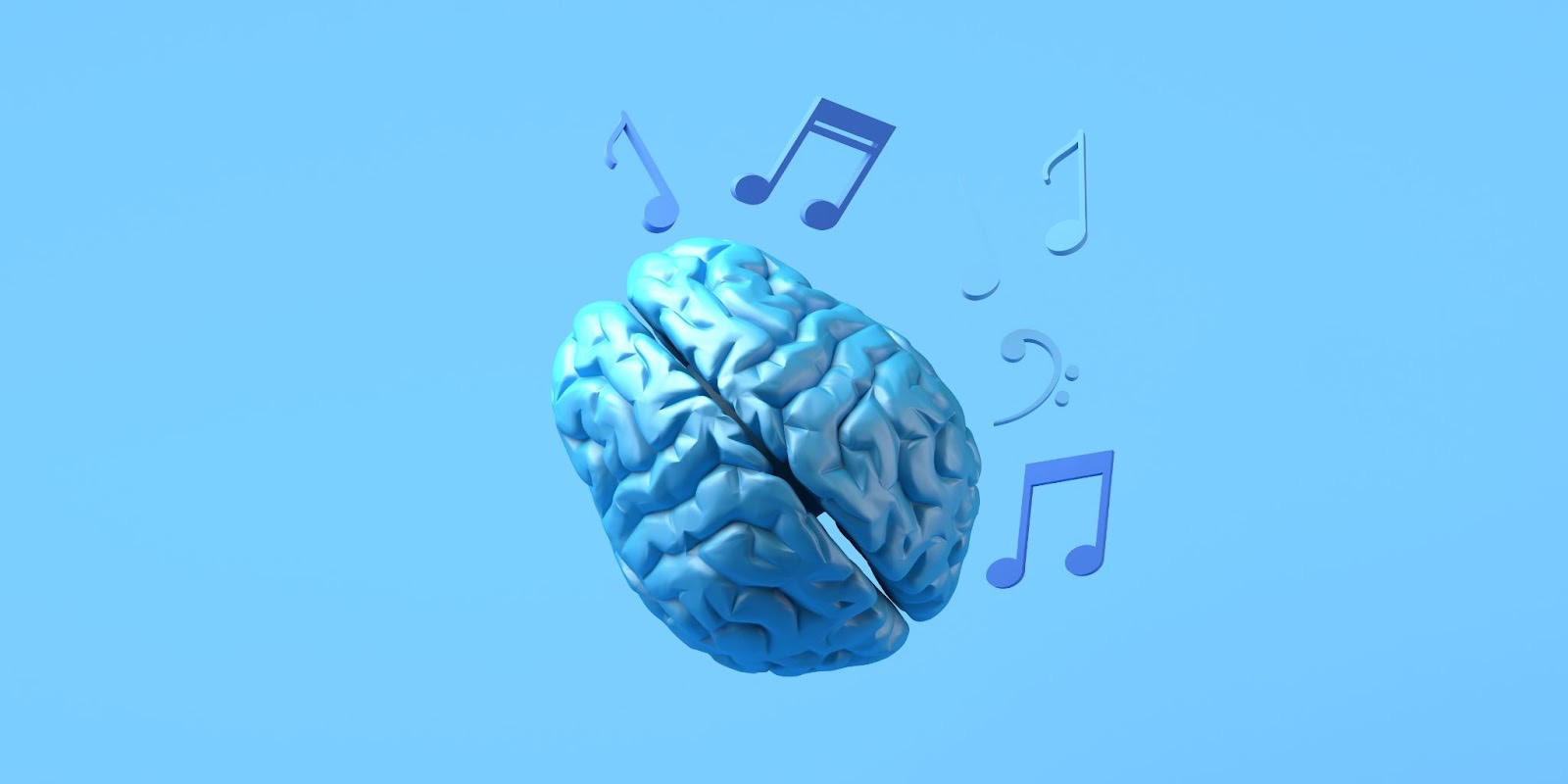
The National Institutes of Health (NIH) has studied the science of sound through its Sound Health Initiative, revealing that listening to or making music engages nearly every part of the brain. Music activates areas of the brain responsible for hearing, movement, emotion, memory, and attention simultaneously. This full-brain stimulation helps strengthen neural pathways and improve communication between brain regions.
Why Music Moves the Brain
When we listen to music, our brains release dopamine — a chemical linked to motivation and pleasure — while simultaneously lowering cortisol, the hormone associated with stress. This combination can lift mood, improve focus, and promote relaxation. Regular engagement with music can even enhance creativity and emotional regulation.
Music doesn’t just change how we feel; it changes how we think. Learning a new instrument, for example, challenges memory and coordination, which helps the brain stay sharp. Singing or dancing connects rhythm and movement with memory, reinforcing the mind-body connection that supports long-term cognitive health.
The Cultural Connection
Cultural music adds an even deeper layer of meaning and healing. The songs, rhythms, and melodies passed down through generations carry emotional and social significance that strengthens our sense of identity and belonging.
Researchers have observed that familiar music can unlock memories long thought forgotten. For many people, cultural music serves as a bridge — connecting present experiences with past traditions and family stories. It reminds us who we are and where we come from, engaging both the emotional and memory centers of the brain.
How to Bring More Music Into Your Life
Incorporating music into your daily routine is simple, yet powerful. Try these small habits to boost your brain health and emotional well-being:
- Start your day with a song. Play music that energizes and motivates you each morning.
- Move with music. Take a dance break or stretch to your favorite tune — it’s a workout for both your body and brain.
- Create a playlist for your mood. Curate songs that calm, inspire, or remind you of loved ones.
- Share music across generations. Play cultural songs that connect you with your family and heritage.
- Attend a live performance or join a music group. The shared experience of rhythm and sound strengthens community and a sense of belonging.
So turn up your favorite song. Let it calm your thoughts, lift your energy, and remind you that every beat, lyric, and melody can be an act of self-care.
The Power of Music and the Brain
References:
- National Institutes of Health. Sound Health Initiative.
- National Center for Complementary and Integrative Health. Music and Health: What You Need To Know.
- NIH News in Health. How Music Affects the Brain.