

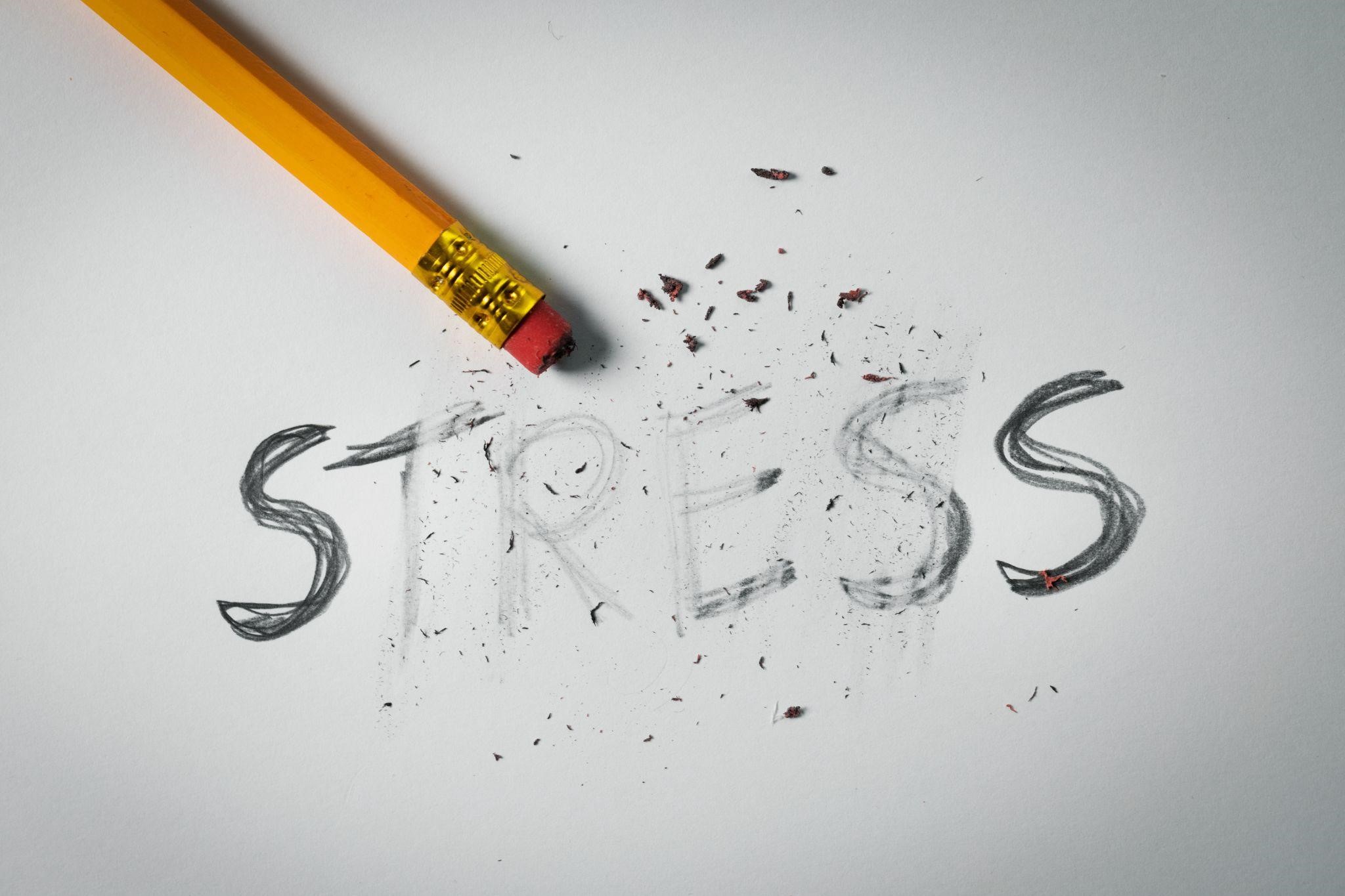
Stress Happens—But Joy Is a Powerful Counterbalance
Stress is part of modern life. Deadlines, financial pressures, caregiving responsibilities, and the constant demand to “hold it together” can quietly pile up. While short-term stress can be motivating, chronic stress tells a very different story for the brain and body. When stress becomes prolonged, it places the nervous system in a constant state of alert. Over time, this can increase the risk of high blood pressure, diabetes, depression, sleep disruption, and accelerated cognitive decline. Research from the National Institute on Aging shows that long-term stress alters how the brain functions—fueling inflammation and disrupting communication between regions responsible for memory, emotional regulation, and decision-making. Stress doesn’t just affect how you feel today. It can shape how your brain ages tomorrow.
How Chronic Stress Affects the Brain
Persistent stress keeps cortisol—the body’s primary stress hormone—elevated. While cortisol is helpful in short bursts, prolonged exposure can impair the hippocampus, a brain region critical for learning and memory. Chronic stress has also been linked to increased brain inflammation, reduced neuroplasticity (the brain’s ability to adapt and form new connections), and disrupted sleep cycles that interfere with the brain’s natural repair processes. Over time, these changes may increase vulnerability to cognitive decline and neurodegenerative disease. According to the National Institutes of Health, stress is not only an emotional burden but also a biological one.
Why Stress Often Looks Different in Men
Research suggests that men are more likely to internalize stress, focusing on problem-solving while minimizing emotional processing. This “silent stress” can be harder to detect—and easier to ignore. Common effects include persistently elevated cortisol levels, higher blood pressure and cardiovascular strain, sleep disturbances and daytime fatigue, and reduced motivation, focus, or enjoyment in daily activities. Because these symptoms may not always feel emotional, they can go unaddressed for years, resulting in cumulative strain that affects both brain health and overall well-being.
The Science of Joy: More Than a Feeling
Joy isn’t just emotional—it’s physiological. Positive emotional states activate brain regions that support healthy blood flow, reduce cortisol, and promote nervous system balance. Research published through the National Library of Medicine shows that positive affect can buffer the harmful effects of stress, improving both cardiovascular and cognitive health. Joy helps shift the body out of “fight or flight” and into a state that allows the brain to recover, repair, and adapt.

Five Research-Backed Ways to Choose Joy Over Stress
Small, consistent habits can make a measurable difference:
1. Move Your Body Regularly
Physical activity lowers stress hormones and releases endorphins. Even 20 minutes of walking or light strength training can support brain circulation and mood.
2. Prioritize Quality Sleep
Sleep is when the brain clears metabolic waste and consolidates memory. Chronic sleep deprivation amplifies stress and increases dementia risk.
3. Stay Socially Connected
Strong relationships reduce isolation, depression, and cognitive decline. Social engagement is one of the most protective factors for long-term brain health.
4. Create Daily “Joy Breaks”
Listening to music, laughing, cooking, or engaging in a favorite hobby helps reset the nervous system and improve focus.
5. Practice Intentional Breathing
Slow, controlled breathing activates the parasympathetic nervous system. Just five minutes can lower heart rate, blood pressure, and mental tension.
Brain Health Benefits of Choosing Joy
Consistently choosing joy supports sharper memory and attention, lower blood pressure and cardiovascular risk, improved sleep quality, stronger immune response, and reduced risk of cognitive decline. Each joyful habit is a small but meaningful investment in long-term brain health.
The Takeaway
Stress is inevitable—but how we respond to it matters. By intentionally building moments of joy, rest, and connection into daily life, we don’t just improve how we feel—we actively protect the brain. Prevention doesn’t always begin with medication. Sometimes, it starts with slowing down, reconnecting, and choosing practices that allow the brain to thrive. Your brain works for you every day. Choosing joy is one way to work for it in return.
SOURCES
- National Institute on Aging. “NIA’s Evolving Toolbox to Study the Science of Stress.” 2023.
- Moskowitz, J. (2012). Positive Affect in the Midst of Distress. National Library of Medicine.
- NIH Office of Research on Women’s Health. “7 Steps to Manage Stress and Build Resilience.”
- MedlinePlus. “Learn to Manage Stress.” MedlinePlus Medical Encyclopedia, U.S. National Library of Medicine, 20 Oct. 2024.
- National Institute of Mental Health. Men and Mental Health. U.S. Department of Health and Human Services, May 2024
- National Institute on Aging. Sleep and Older Adults: Tips for Getting a Good Night’s Sleep. U.S. Department of Health and Human Services, 6 Feb. 2025
- National Institutes of Health. Manage Stress and Build Resilience. NIH News in Health, Oct. 2020